The Ultimate Guide to Choosing the Perfect Sports Shoes
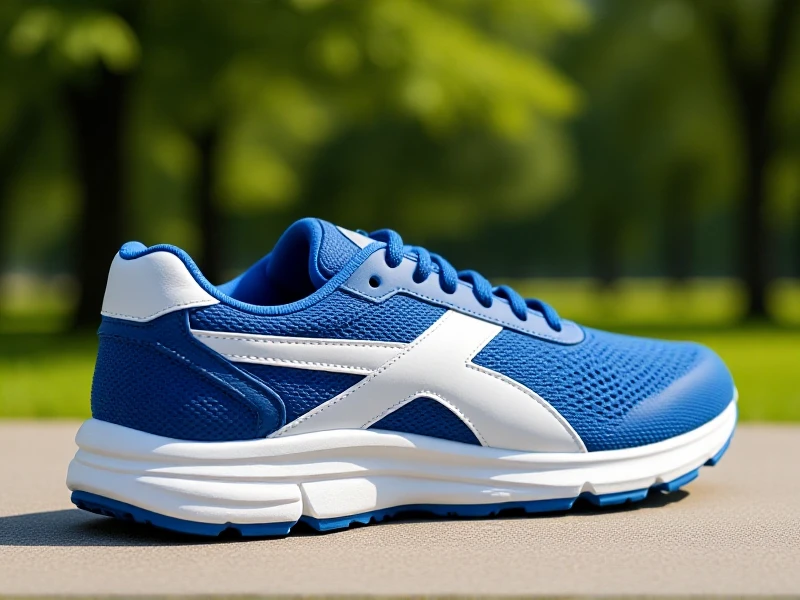
Finding the right pair of sports shoes is crucial for comfort, performance, and injury prevention, regardless of your activity level. Whether you're a seasoned runner, a weekend warrior hitting the gym, or someone who enjoys long walks, investing in proper Sports Shoes makes a significant difference. This guide will help you navigate the key factors.
First, identify your primary activity. The demands placed on your feet vary greatly. Running Sports Shoes prioritize forward motion, cushioning impact, and heel-to-toe transitions. Look for lightweight designs with ample support around the heel and arch. Conversely, cross-training Sports Shoes emphasize lateral stability and grip for quick direction changes during HIIT, weightlifting, or court sports; they often have flat soles and stronger support features. Walking-specific Sports Shoes focus on cushioning with a smooth heel strike and a rocker sole for efficiency. Using the right tool for the job enhances performance and reduces strain.
Materials matter significantly. Most modern Sports Shoes feature breathable mesh uppers to keep feet cool and comfortable. This helps prevent blisters and excess moisture. However, durability needs consideration. If you frequently encounter rough terrain or trails, look for Sports Shoes with reinforced toe caps and protective rubber overlays alongside grippy, aggressive outsoles. Road-running shoes offer softer cushioning and smoother soles.
Getting the perfect fit is non-negotiable. Your feet need room – generally about a thumb's width between your longest toe and the shoe's end. Sports Shoes that are too tight cause pain, black toenails, or numbness, while overly loose ones lead to blisters and instability. Always try them on later in the day when feet are naturally more swollen, and wear the socks you intend to use. Don't rely solely on size numbers; different brands and models vary. A secure, comfortable midfoot hold without pressure points is essential. Many stores offer gait analysis to determine if you require neutral shoes, stability models for mild overpronation, or motion control for severe cases.
Cushioning level is personal preference and activity-dependent. While high cushion absorbs impact well for long runs on hard surfaces, minimalist Sports Shoes promote a more natural foot strike. Consider responsiveness – soft cushioning feels plush, while firmer setups offer more bounce-back energy. Traction on your typical surfaces is vital for safety. Replace Sports Shoes regularly, typically every 300-500 miles or when cushioning feels compressed or tread wears down, to maintain optimal support and protection. By understanding these elements, you're well equipped to find the Sports Shoes that truly support your stride and elevate your active life.