Finding Your Perfect Pair: A Runner's Guide to the Best Running Shoes
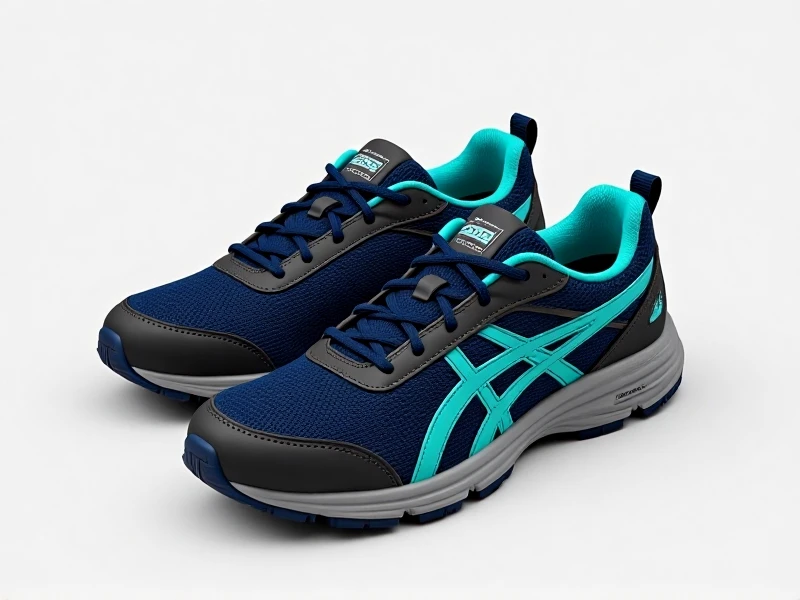
Your feet pound the pavement, rhythm echoing with every stride. That feeling of freedom, the rush of endorphins – running offers incredible benefits for body and mind. But experiencing comfort and avoiding injury hinges on one critical factor: choosing the right running shoes. Forget the one-size-fits-all approach; the perfect pair acts as your foundation, ensuring every kilometre feels good.
Why does selecting ideal running shoes matter so much? Wearing improper shoes can lead to a cascade of problems. Think blisters, shin splints, persistent knee pain, or nagging foot injuries. Proper running shoes are engineered with specific technologies to absorb the significant impact each footstrike generates – shockwaves traveling through your legs and spine. They provide essential stability and support tailored to your unique biomechanics and running style.
The world of running shoes offers diverse options catering to different needs:
- Cushioning (Neutral): Designed for runners with an efficient gait (minimal inward roll). Plush midsoles prioritize impact absorption and comfort, ideal for longer distances or runners seeking maximum softness. Key for high-mileage training on roads.
- Stability: Incorporate firmer elements (medial posts, dual-density foam) within the midsole to moderate overpronation – the inward rolling motion of the foot after landing. Vital for runners with flatter arches needing extra arch support.
- Motion Control: The pinnacle of support for severe overpronators. These feature substantial guidance systems and rigid construction to control excessive foot movement and align the ankle and knee.
- Trail: Prioritize grip and protection with aggressive outsoles (lugs), durable uppers resistant to debris, and often rock plates shielding the sole for tackling rugged off-road terrain.
- Racing/Performance: Lightweight and responsive for speed, focusing on propelling you forward efficiently. Prioritize weight savings and energy return, offering less cushioning for a faster feel. Often reserved for races.
Before purchasing running shoes, knowledge is key:
- Understand Your Gait: Visit a specialised running store for a gait analysis. Experts observe your running stride (often on a treadmill) to reveal pronation patterns – neutral, overpronation, or supination. This is the single most crucial step!
- Identify Your Needs: What distances will you cover? Where do you run most (road, track, trail)? Are you targeting races or prioritizing comfort?
- Get Properly Fitted: Sizing, especially width, is paramount. Your feet swell during runs; ensure about a thumbnail's width of space between your longest toe and the shoe's end.
- Consider the Drop: This is the height difference between the heel and forefoot. Higher drops (8-12mm) are common and can ease Achilles/calf strain. Lower drops (0-6mm) encourage a more midfoot strike but require adaptation. Start with what feels natural.
- Don't Ignore Feel: The best running shoes should feel immediately comfortable. They don't need a prolonged "break-in" period. Trust your initial comfort; forced adaptation leads to issues.
Investing time in finding your perfect running shoes isn't a luxury; it's essential performance gear. The right pair transforms your runs from a potential pain point into pure, sustainable enjoyment. Step confidently towards your goals – your next great pair awaits. Get fitted, find your match, and hit the road feeling better than ever!