The Ultimate Guide to Choosing Perfect Running Shoes in 2024
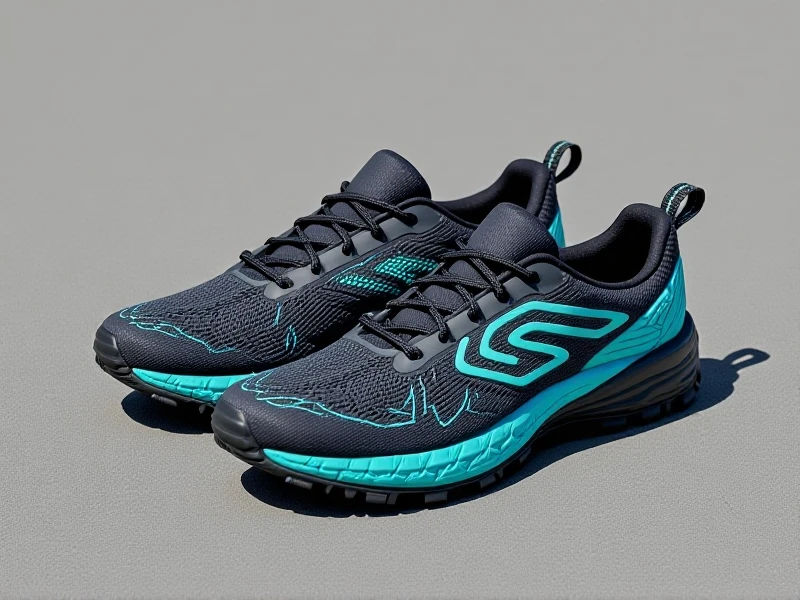
Here is an SEO-optimized article focusing on the keyword "Running Shoes":
Finding the right pair of running shoes is more than just picking what looks cool. It's about unlocking better performance, preventing injury, and truly enjoying every mile. With countless options flooding the market, choosing wisely makes all the difference. Let's break down what matters most.
Why Proper Running Shoes Are Non-Negotiable
Your feet endure significant impact with each stride. Running in improper footwear, like worn-out daily trainers or casual sneakers, drastically increases your risk of common injuries like shin splints, plantar fasciitis, or knee pain. Quality running shoes are engineered with specific technologies—responsive cushioning, strategic stability features, flexible yet durable outsoles—to absorb shock, support your unique gait, and propel you forward efficiently. They are your essential running partners.
Key Factors When Selecting Your Running Shoes
- Understand Your Foot & Gait: Do you overpronate (foot rolls inward excessively), supinate (rolls outward), or have a neutral stride? A simple gait analysis, often available at reputable running stores or via a podiatrist, is invaluable. This knowledge guides you towards shoes offering neutral cushioning, stability support, or motion control.
- Terrain & Use: Are you pounding city pavement, hitting rugged trails, or clocking miles on a treadmill? Road running shoes prioritize cushioning and smooth transitions on hard surfaces. Trail versions offer aggressive tread for grip and enhanced protection against rocks and roots. Choose based on where you run most.
- Cushioning Level: Preferences range from maximalist (plush, highly cushioned) to minimalist (low stack height, ground feel). Moderate cushioning offers a versatile balance for many runners. Consider your comfort preference and impact levels.
- Fit Is King: Always try shoes on later in the day when feet are slightly swollen. Ensure a thumbnail's width (about half an inch) between your longest toe and the shoe's end. The heel should be snug but not rub, and the midfoot should feel secure without constriction. Walk and jog around the store!
Beyond the Purchase: Care for Your Investment
Maximize the lifespan and performance of your running shoes:
- Rotate: If you run frequently, having two pairs to rotate reduces wear and tear and allows cushioning materials time to decompress.
- Track Miles: Most running shoes offer optimal support and cushioning for 300-500 miles. Worn-out midsoles are a major injury risk. Log your runs!
- Clean Carefully: Remove insoles after runs to air dry. Brush off dirt. Often, spot cleaning beats machine washing, which can degrade glues.
- Know When to Retire: Watch for visible wear on the outsole tread or compression wrinkles in the midsole that don't bounce back. Listen to your body – new aches and pains can signal it's time for a fresh pair.
Find Your Perfect Match
Investing time in finding the ideal running shoes pays dividends in comfort, performance, and injury prevention. Don't settle based solely on aesthetics or brand loyalty. Understand your needs, seek professional analysis if possible, prioritize fit above all, and choose a shoe engineered for your specific running journey. Give your feet the expert support they deserve – start every run with confidence!